
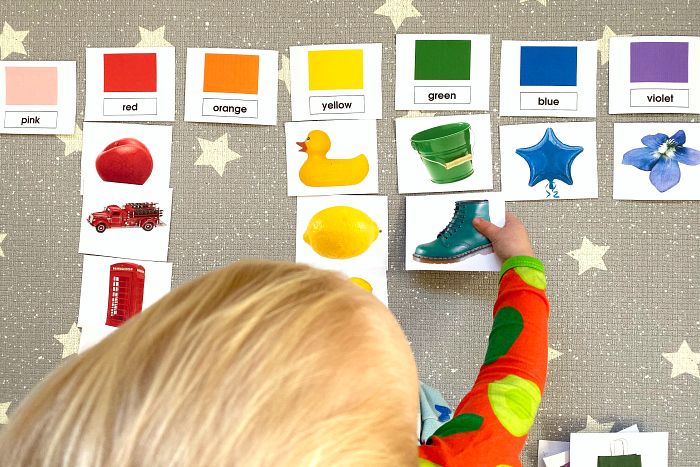
When it comes to early childhood education, the Montessori method has long been celebrated for its child-centered, hands-on approach. Montessori education promotes independence, self-discovery, and a love for learning in young children. An essential tool in this pedagogical toolbox is Montessori printables. This montessori free printables pdf is designed to be interactive, engaging, and educational for children. In this comprehensive guide, we’ll delve into the world of Montessori printables, explaining what they are, how they work, and why they are valuable resources for parents and educators alike.
What Are Montessori Printables?
Montessori printables are educational materials designed to complement the Montessori teaching method. They come in printable worksheets, cards, and activities covering a wide range of subjects, from mathematics to language, geography, and practical life skills. These materials are created to foster independence and promote active learning. They are also visually appealing and engaging, providing a multisensory experience for children.
The Montessori Philosophy: A Brief Overview
Before we thoroughly explore Montessori printables, let’s take a quick look at the Montessori philosophy. Dr. Maria Montessori founded this educational approach centered on the belief that children are natural learners. It encourages children to explore, discover, and learn at their own pace, emphasizing hands-on, sensory experiences. Montessori education aims to develop the whole child’s physical, social, emotional, and intellectual aspects.
Why Montessori Printables Matter
Montessori printables play a significant role in the Montessori classroom and at home for several reasons:
- Hands-On Learning: Montessori printables are tactile and interactive, making learning a sensory experience. Children physically engage with the material, whether it’s tracing letters with their fingers or counting objects.
- Independence: Montessori education places a strong emphasis on self-sufficiency. Printables allow children to work independently, as they can easily choose and use the materials on their own.
- Customizable Learning: Montessori printables can be tailored to meet a child’s specific needs and abilities. They are flexible, allowing educators and parents to adapt the materials to the child’s developmental stage.
- Repetition and Mastery: Montessori philosophy promotes repetition as a means of mastering a skill or concept. Printables offer children the opportunity to practice and reinforce what they’ve learned.
Types of Montessori Printables
Montessori printables cover a wide array of subjects and age groups. Here are some common categories:
- Practical Life Skills: These printables focus on daily activities like dressing, cleaning, and food preparation. They help children develop independence in caring for themselves and their environment.
- Sensorial Activities: Materials in this category help children refine their senses and explore concepts like size, color, and texture.
- Language and Literacy: Montessori printables for language development often include activities like sandpaper letters and movable alphabets, helping children learn letter recognition, phonics, and reading.
- Mathematics: Math printables can cover topics like counting, addition, subtraction, multiplication, and division. They often involve the use of Montessori math materials, such as beads and rods.
- Geography and Culture: These printables introduce children to concepts like world geography, flags, and cultural awareness.
In Conclusion
 Montessori printables are powerful tools that align perfectly with the Montessori philosophy of education. They facilitate hands-on, independent learning and provide children with opportunities to explore a wide range of subjects. Whether you’re an educator in a Montessori classroom or a parent looking to enhance your child’s learning experience at home, Montessori printables are invaluable resources. They promote a love for learning, curiosity, and independence while embracing the joy of exploration that defines the Montessori method. So go ahead, dive into the world of Montessori printables, and watch young minds flourish.…

 Regular exercise has been shown to improve memory retention and concentration, which are essential skills for academic success. This is because physical activity increases blood flow to the brain, delivering more oxygen and nutrients that help neurons function properly.
 Getting enough sleep is crucial to academic success, but it’s not always easy. With so many distractions and demands on their time, students often sacrifice sleep to get everything done. Regular exercise can help improve sleep quality and quantity, leading to better overall health and academic performance.